
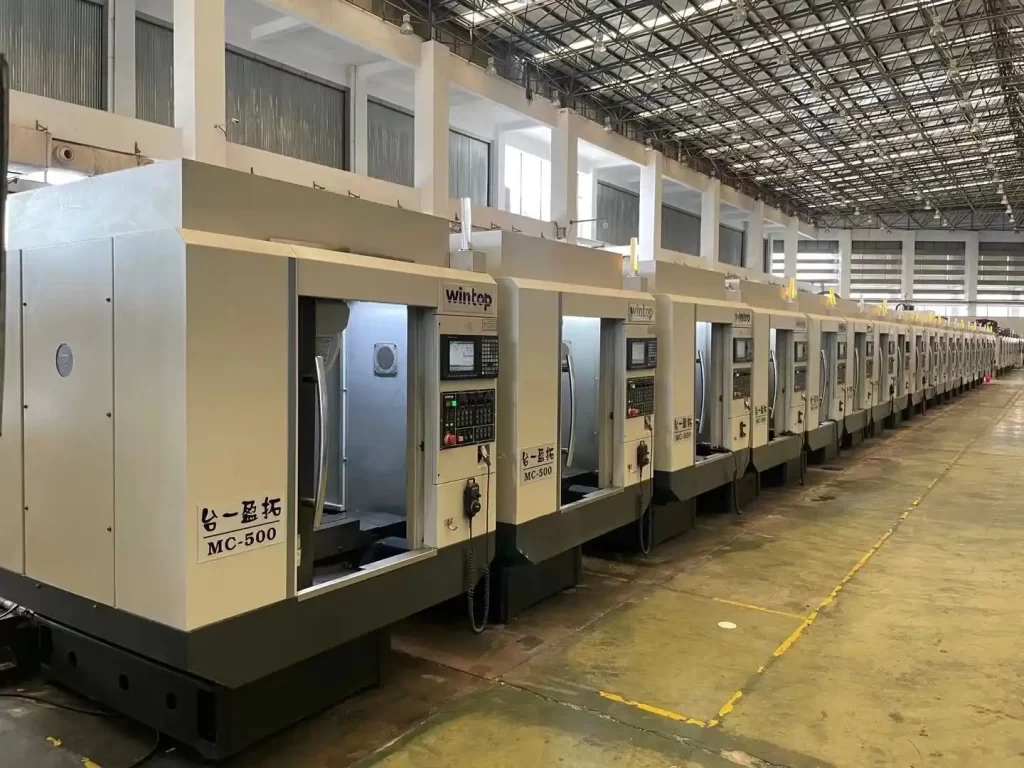
Why CNC Machine Prices Vary So Widely
If you search online for “how much does a CNC machine cost,” you will quickly notice an enormous price spread. Some CNC machines cost less than a used car, while others cost more than a luxury home. This wide range exists because CNC machines are not a single product category. They are a family of machines designed for very different tasks, accuracy levels, production volumes, and materials. A small CNC router cutting wood signs cannot be compared directly to a 5-axis machining center producing aerospace components. Understanding CNC machine pricing starts with recognizing what you are actually paying for: rigidity, precision, automation, reliability, and long-term production capability.CNC Machine Price Ranges by Type
The most practical way to understand CNC machine cost is to break it down by machine type.CNC Routers
Typical price range: $5,000 – $50,000 CNC routers are commonly used for wood, plastics, foam, and soft metals like aluminum. They are popular in woodworking, signage, furniture, and light fabrication. Lower-cost routers are often gantry-style machines with limited rigidity. Higher-end CNC routers include stronger frames, better spindles, and improved accuracy. CNC routers are generally the most affordable entry point into CNC machining.CNC Milling Machines (3-Axis)
Typical price range: $30,000 – $150,000 3-axis CNC milling machines are widely used for machining metal parts with moderate complexity. These machines can handle steel, aluminum, and many engineering alloys. Price differences are driven by:- Machine size and travel
- Spindle power and speed
- Accuracy and repeatability
- Build quality and brand reputation
4-Axis and 5-Axis CNC Machines
Typical price range: $120,000 – $500,000+ 4-axis and 5-axis CNC machines add rotational axes, allowing more complex parts to be machined in fewer setups. These machines are common in aerospace, medical, and high-precision industries. Higher cost comes from:- More complex mechanical systems
- Advanced control software
- Higher accuracy requirements
- Greater rigidity and stability
CNC Lathes and Turning Centers
Typical price range: $25,000 – $300,000+ CNC lathes are designed for rotational parts such as shafts, bushings, and fittings. Entry-level CNC lathes handle basic turning operations, while advanced turning centers include live tooling, Y-axis capability, and multiple spindles. Multitasking CNC lathes that combine turning and milling functions are among the most expensive machines in a shop—but they can replace several standalone machines.CNC Laser, Plasma, and Waterjet Machines
Typical price range: $40,000 – $400,000+ These CNC machines are primarily used for cutting sheet materials.- Laser cutting machines: higher cost, excellent precision
- Plasma cutting machines: lower cost, faster cutting, less precision
- Waterjet machines: versatile material capability, higher operating costs
Key Factors That Determine CNC Machine Cost
Machine Size and Travel
Larger machines with greater travel distances cost more due to increased material, stronger structures, and larger drive systems.Number of Axes
Each additional axis increases mechanical complexity, control requirements, and calibration effort. This directly increases machine cost.Accuracy and Precision
Machines designed for tight tolerances require:- High-quality linear guides
- Precision ball screws or linear motors
- Thermal stability design
Spindle and Drive System
Spindle power, speed, and cooling method significantly affect price. High-speed or high-torque spindles increase cost but enable broader machining capability.Brand and Build Quality
Well-established CNC machine brands typically cost more due to:- Proven reliability
- Better service networks
- Higher resale value
New CNC Machine vs Used CNC Machine Cost
New CNC Machines
Pros:- Latest technology
- Full warranty
- Better accuracy and efficiency
- Higher upfront cost
- Longer delivery times
Used CNC Machines
Pros:- Lower purchase price
- Immediate availability
- Unknown wear and maintenance history
- Limited or no warranty
- Potential retrofit or repair costs
Hidden Costs Beyond the CNC Machine Price
The machine purchase price is only part of the total investment.Tooling and Fixtures
Cutting tools, holders, probes, and fixtures can easily add $5,000–$50,000+ to initial setup.Software
CAD/CAM software licenses range from a few thousand dollars to tens of thousands, depending on capability.Installation and Training
Rigging, electrical work, air supply, and operator training are often overlooked costs.Maintenance and Consumables
Ongoing costs include:- Preventive maintenance
- Spare parts
- Coolant and lubricants
- Tool replacement
Is a CNC Machine Worth the Cost?
Whether a CNC machine is worth the investment depends on:- Production volume
- Part complexity
- Required precision
- Outsourcing alternatives
- Lower per-part cost
- Improved quality
- Shorter lead times
- Greater process control
How to Choose the Right CNC Machine for Your Budget
Before purchasing a CNC machine, buyers should clearly define:- Materials to be machined
- Part size and complexity
- Required tolerances
- Expected production volume
- Available floor space and utilities